About
The kid who couldn't sit still.
Pianist, composer, teacher, researcher. Most of what I know about teaching music, I learnt by watching what children do when you let them move.
The beginning
Three lessons and a Grade 4 credit
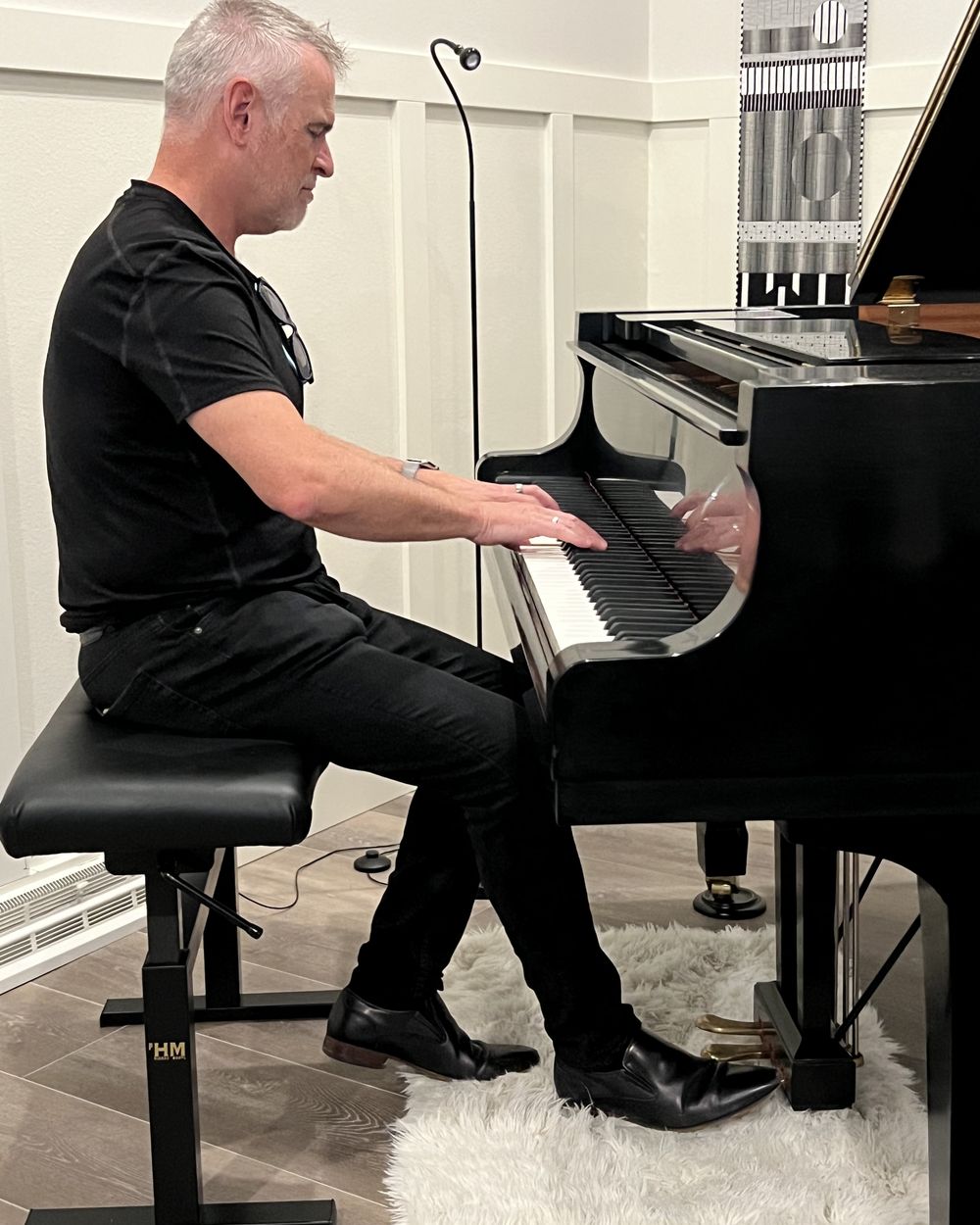
I would have been a terrible traditional piano student. I couldn't sit still. So I learnt the way restless kids do: by ear, by feel and by sneaking in where I wasn't supposed to be.
I taught myself electronic organ from cassettes, then had organ lessons for a couple of years. At 14 I started slipping into the school music room to teach myself piano. I worked my way up to Grade 4, paid for my own exam and got a credit. In total, I've had three piano lessons.
I also had weekly French horn lessons and played in school bands and the state youth orchestra. Around my third horn lesson I played Ode to Joy with a funkier rhythm. My teacher said, "How dare you do that to Beethoven?" I never improvised on the French horn again. I've spent a lot of my career making sure no student hears that sentence from me.
Teaching
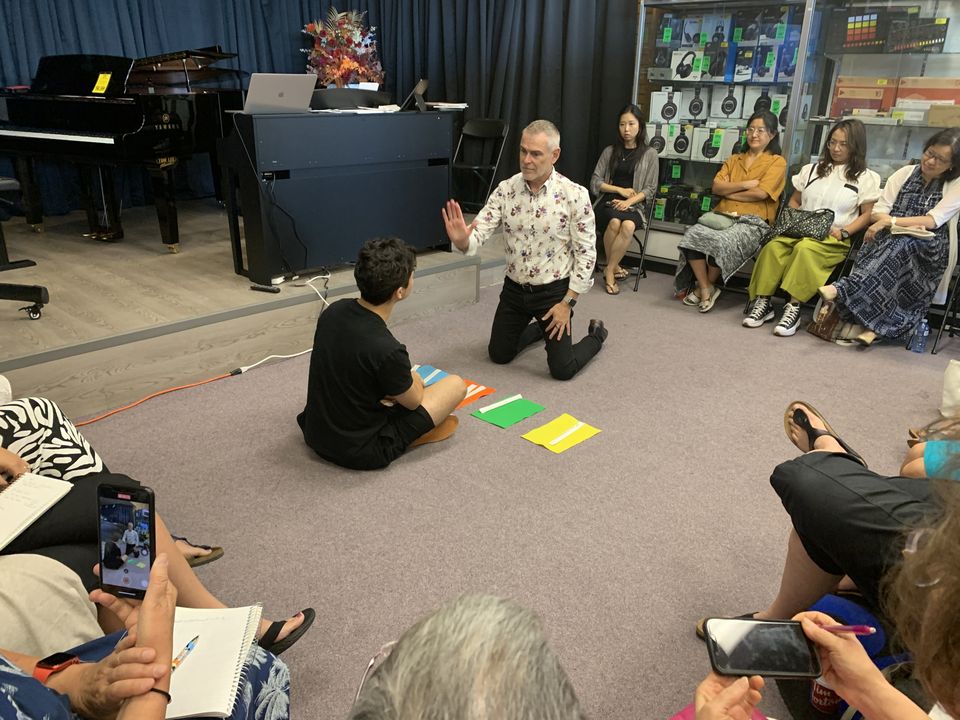
Off the bench, for 30 years
I studied French horn at university to become a teacher, and paid my way playing piano in a hotel bar, getting by on organ-style melody and chords. Later I played at David Jones.
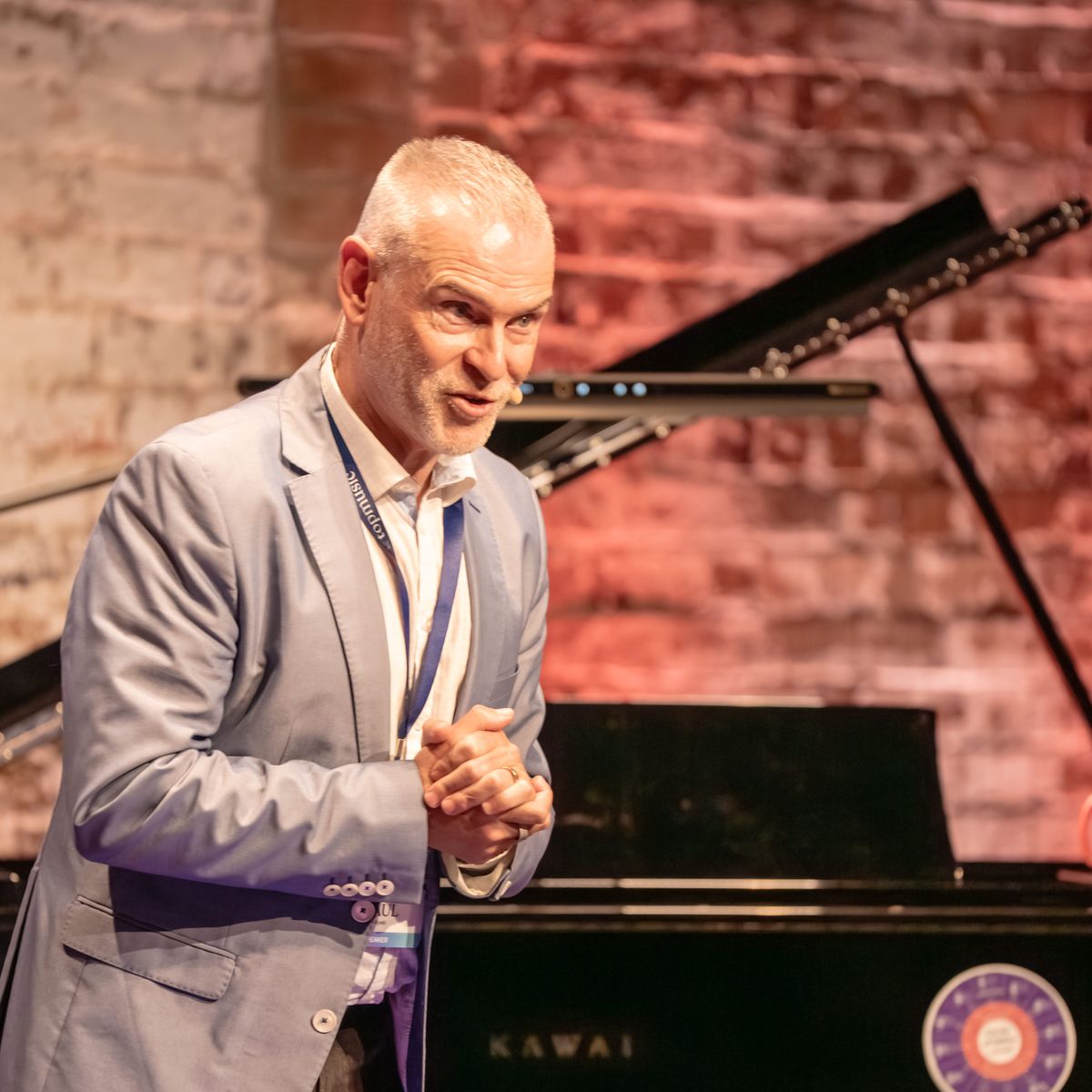
I started teaching organ, then piano. About 30 years ago, getting students off the bench, moving and singing before they played became the way I teach. At one point I was teaching 176 students a week in classes, and examiners kept commenting on how musically my students played and how well they memorised.
In 1994 I co-founded Forte School of Music, which has grown into a network of more than 8,000 students across Australia, New Zealand, the UK, Canada and the USA. I've co-written many of the Forte course books, co-created the Forte teacher training, and taught children from toddlers through to Year 12. In 2019 Gillian Erskine and I launched Piano Teaching Success, where I'm Education Director, helping piano teachers around the world keep their students engaged, learning and loving music.
Research
From the studio to the evidence
In 2017 I did a neuropedagogy course with Dr Robyn Staveley and ended up as a participant in her PhD on embodied cognition and neuroscience in music teaching. If you've read her thesis, I'm "Phil". It was the first time I saw research describe what I'd been doing in my studio for decades, and I wanted to know more.
Two master's degrees later (an MEd and an MRes), I'm on a PhD journey. My MRes surveyed 231 piano teachers across English-speaking countries and interviewed 20 Australian teachers about how they teach young beginners. The big finding: studio conditions shape how teachers teach far more than how they trained. I call it pedagogy by necessity.
My paper "Piano Teaching Evolution: Meeting the Needs of Today's Students" is published in the Australasian Piano Pedagogy Conference Proceedings (2024). I'm also on the casual academic staff at Macquarie University, teaching creative arts to primary education students.
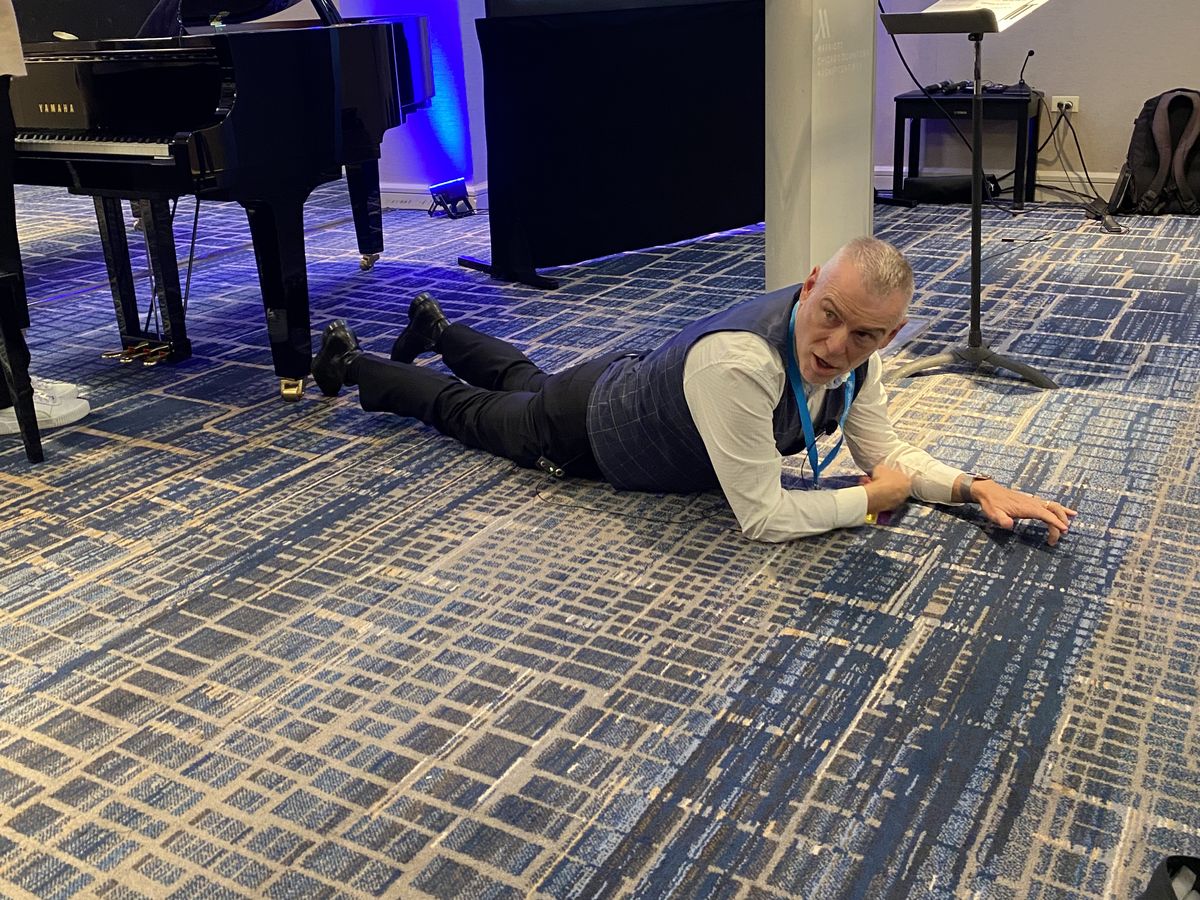
“Paul is an outstanding and innovative music teacher. He is endlessly curious in research about all aspects of learning in music.”
Also
Books, writing and training
- easiLEARNmusicCo-writer of the easiLEARNmusic textbooks, published and distributed in Australia and the UK by Hal Leonard.
- MagazinesRegular contributor to British and Australian piano teaching magazines.
- Orff-SchulwerkOrff-Schulwerk trainer, presenting courses for teachers in Australia and overseas.
- Whole Body LearningCurrently writing a book on Whole Body Learning, the approach at the heart of Forte School of Music.
How I teach
Imitate. Integrate. Innovate. Inspire.
Every student moves through four stages, from copying what they hear to setting their own musical goals.
- 1. Beginner playerSinging while playing, moving to feel the beat, learning music the way we learn language.
- 2. Music playerSongs, exams, recitals and current pop. First chords and structured improvisation.
- 3. Music makerHarmony, keys and chord charts. Improvising, analysing songs, singing independently of playing.
- 4. Teacher as coachThe student leads. The teacher coaches them towards their own goals.